WHY YOU SHOULD VOTE YES
Currently the company has:
LOST
30% Market Share
INCREASED EMISSIONS
by <600,000 tons of Co2 and Co2e
WRITTEN DOWN
$790,000,000 of valuable assets to scrap value which it plans to dispose of at a loss
DOLED OUT IMPRUDENT DIVIDENDS
well above cash operating levels
NO PROVEN PLAN
other than to toll fuel imports in order to regain the lost market share
INCREASED LIABILITY
and opened the company along with shareholders up to a potentially devastating social and political kickback over pollution and emissions
The information in the business case has been obtained through the Operation Good Oil – Post Refinery Report and is available for download here: operationgoodoil.co.nz
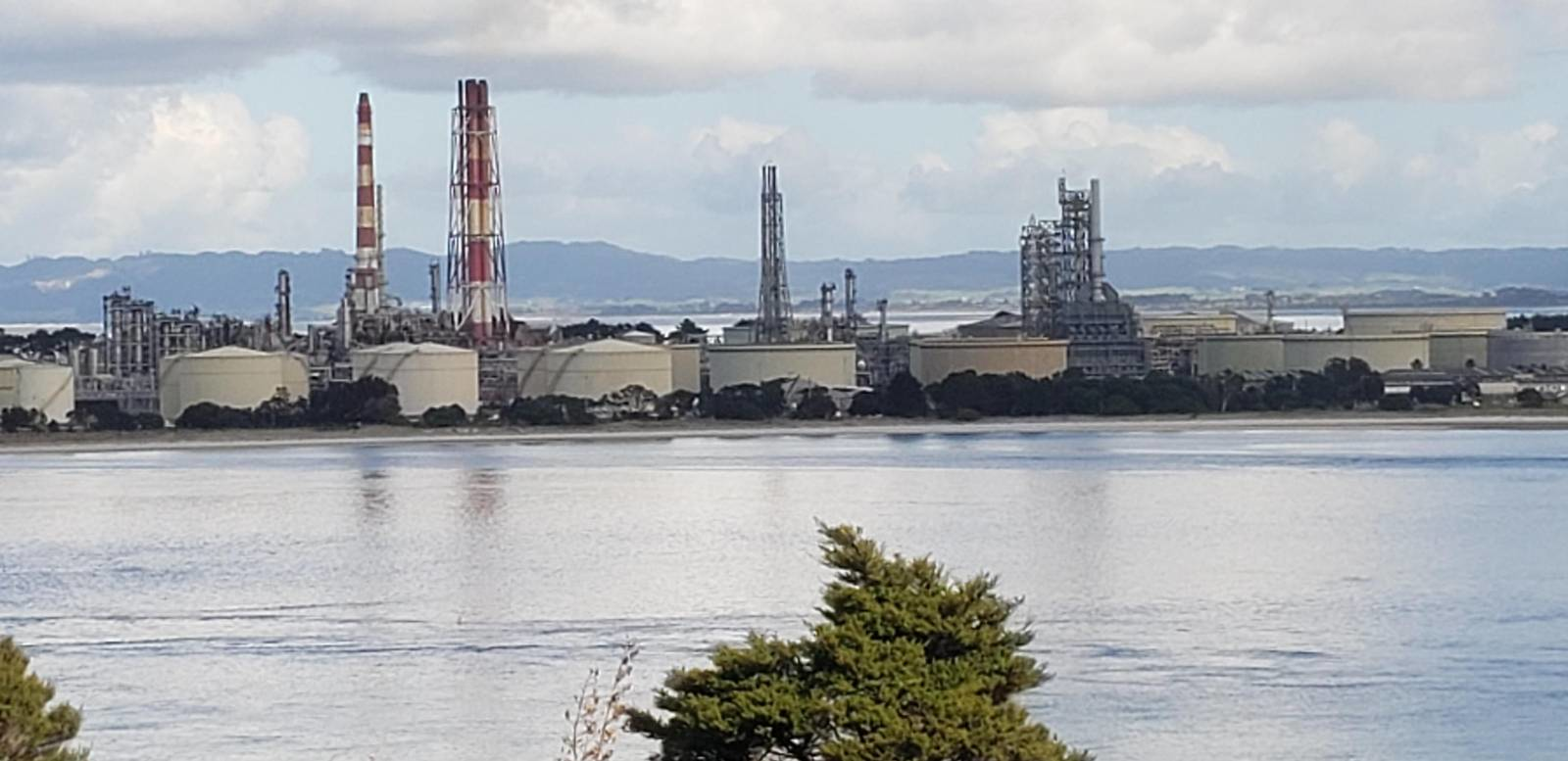
Marsden Point Oil Refinery was once recognized Internationally for its Energy Efficiency and the Superior Product that held the majority share of the transport fuels market in NZ. Although one of New Zealand’s largest carbon emitters, the destruction of the refinery has markedly increased C02 C02e emissions along with the addition of other toxic pollutants caused by the increase in shipping.
Contrary to the board’s claims of requiring “billions” for reconstruction, a Cost-Effective Revival is Feasible.
The refinery did not lose money in 2020 2021 but rather the board decided to write down the refining assets as a loss and moved $790 million dollars of plant and equipment into the loss column to create a paper loss as opposed to a real world loss.
THE PLANT STILL EXISTS AND WAS SERVICED WITH UPGRADES IN 2018 AT A COST OF $170 million dollars
The 15 year shut down and maintenance cycle ensures the equipment for the next 15 years of service which means the equipment still had 11 years of service life left at the time of halting production in 2022.
This is likely where the board derives the ‘figure’ of “billions” from, it is important to note that the boards pessimism is most likely not based on actual capital investment but rather comes from having to make paper entries moving losses back into assets.
WE WILL NOT KNOW THE TRUE COST WITHOUT THE QUANTITATIVE SURVEY AND ENGINEERING REPORT OF RESOLUTION 5
The current coalition government has begun an investigation into reopening the refinery.
As shareholders we should expect our board to have a firm handle on the costs and time frames involved in reinstating the refinery in order to capitalize on any coming movement to reinstate the refinery.
WE WILL NOT KNOW WHATS INVOLVED IN GETTING THE REFINERY UP AND RUNNING WITHOUT RESOLUTION 5
Prior to halting refining, the projections and future looking metrics for refined fuel demand in New Zealand were based on conjecture and they went against every forecast and metric produced by Refining New Zealand prior to 2020.
The board made decisions based on best case scenarios and wish lists of politicians as opposed to what the market was saying and what the market can deliver. Refined oil is here for at least the next century, even with the best possible case for the sustainable fuel advocates, it makes up over 50% of all fuels in 2050.
Why should other countries and companies derive the profit and benefits of mixing their cheap oil derived product with the expensive and as of yet unknown “sustainable” fuels that the board asks you to invest in?
WHY SHOULD THE SHAREHOLDERS AND THE NATION AS A WHOLE BE THE ONES TO HAVE TO FOOT THE BILL AND MISS OUT ON THE GUARANTEED PROFITS OF REFINING NEW ZEALAND’S OIL DERIVED FUELS FOR NOW AND INTO THE DISTANT FUTURE?
Future fuels are exactly that, they are in the future, somewhere and are not here yet. If the board intends to ask the shareholders to spend billions on future fuels with no guarantees of returns, shouldn’t there be a metric or a comparison scenario to weigh it up against?
WE WONT HAVE A COMPARATIVE COST WITHOUT RESOLUTION 5
in response to the board:
Investigating a potential recommencement of refining operations could cause a crisis of confidence and
(CHI_Notice_of_2024_Annual_Shareholders_Meeting.pdf)
uncertainty amongst Shareholders, customers and the wider community in relation to the future of the
Company given the extensive process already undertaken through the earlier strategic review and approval
of the conversion proposal by Shareholders
As exposed in the “Operation Good Oil – post refinery report” the process of the strategic review was neither extensive nor favorable to the non customer shareholders of the company.
A quantitative survey and engineers report for costs is not a situation, in light of the new revelations of carbon creation and pollution increase along with the new government’s differing views on exploiting New Zealand’s natural resources, that should alarm anybody.
It is now a matter of fiduciary responsibility to the shareholders and matter of social responsibility to the nation and the world under the agreements New Zealand has signed to reduce carbon emissions and look toward a sustainable net carbon zero future.
How can the board continue to recommend against having the information at hand that only resolution 5 will provide ?
VOTE RESOLUTION 5 TO SEND A MESSAGE TO THE BOARD THAT YOU CARE ABOUT THE FUTURE, THAT YOU CARE ABOUT THE ENVIRONMENT, THAT YOU CARE ABOUT THE COMPANY AND THAT YOU CARE ABOUT THE NATION.